


Order Psilocin (4-HO-DMT) Online – Buy Psilocin (4-HO-DMT)
Table of Contents
-
What Is Psilocin (4-HO-DMT)?
-
Chemical and Pharmacological Overview
-
How Psilocin (4-HO-DMT) Works in the Body
-
Clinical and Therapeutic Research Applications
-
Psilocin vs Psilocybin: Key Differences
-
Safety, Tolerability, and Professional Oversight
-
Legal Status and Prescription Frameworks
-
Frequently Asked Questions
What Is Psilocin (4-HO-DMT)?
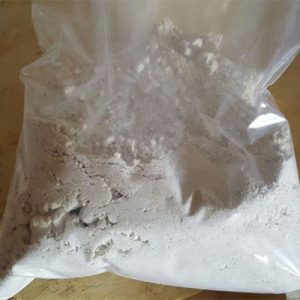
Psilocin (4-HO-DMT) is a naturally occurring psychedelic tryptamine and the primary active metabolite of psilocybin. It is responsible for the psychoactive effects observed in clinical and therapeutic psychedelic settings. In regulated environments, Psilocin (4-HO-DMT) is studied for its interaction with serotonin receptors and its potential role in mental-health treatment models.
Psilocin (4-HO-DMT) belongs to the indolealkylamine family and is structurally related to serotonin, which explains its profound influence on mood, perception, and cognition under controlled conditions. Order Psilocin (4-HO-DMT) Online.
Chemical and Pharmacological Overview
-
Chemical Name: 4-Hydroxy-N,N-dimethyltryptamine
-
Molecular Formula: C12H16N2O
-
Class: Psychedelic Tryptamine
-
Primary Receptor Activity: 5-HT2A agonist
Once in the body, Psilocin (4-HO-DMT) readily crosses the blood-brain barrier, unlike its prodrug psilocybin, making it a direct-acting compound.
How Psilocin (4-HO-DMT) Works in the Body – Psilocin (4-HO-DMT) for sale
Psilocin (4-HO-DMT) exerts its effects by binding primarily to serotonin receptors, particularly 5-HT2A, leading to altered neural network connectivity. Modern neuroimaging studies suggest that Psilocin temporarily reduces default mode network activity, allowing for increased cognitive flexibility.
This mechanism is a major reason Psilocin (4-HO-DMT) is being researched for therapeutic frameworks involving depression, PTSD, and existential distress. Buy Psilocin (4-HO-DMT)
Clinical and Therapeutic Research Applications
Current peer-reviewed research is exploring Psilocin (4-HO-DMT) in:
-
Treatment-resistant depression
-
End-of-life anxiety
-
PTSD and trauma-related disorders
-
Addiction and substance-use disorders
Clinical use of Psilocin (4-HO-DMT) occurs only under licensed supervision with strict dosage control, screening protocols, and integration support.
Psilocin vs Psilocybin: Key Differences
| Feature | Psilocin (4-HO-DMT) | Psilocybin |
|---|---|---|
| Activity | Directly active | Prodrug |
| Onset | Faster | Slower |
| Stability | Less stable | More stable |
| Clinical Use | Advanced research | Widely studied |
Understanding this distinction is essential for professionals evaluating therapeutic protocols.
Safety, Tolerability, and Professional Oversight
Psilocin (4-HO-DMT) has demonstrated a favorable safety profile in controlled settings. However, due to its potency and psychological effects, professional oversight is mandatory. Screening for contraindications such as psychotic disorders is standard clinical practice.
Legal Status and Prescription Frameworks
The legal status of Psilocin (4-HO-DMT) for sale varies by jurisdiction. In certain regions, it may be available strictly for research or prescription-based therapeutic use through licensed providers.
Organizations such as The Dutch Cartel operate within regulatory frameworks to support lawful access for qualified professionals and patients.
Frequently Asked Questions
Is Psilocin (4-HO-DMT) the same as magic mushrooms?
No. Psilocin is a purified compound, whereas mushrooms contain varying levels of psilocybin and psilocin.
Is Psilocin (4-HO-DMT) available without a prescription?
Access depends on local law and is typically restricted to licensed or research-based settings.
Why is Psilocin researched instead of psilocybin?
Its direct activity allows precise dosing and faster onset in clinical protocols.
| Quantity | 25g, 50g, 100g, 500g |
|---|
Be the first to review “Psilocin (4-HO-DMT)”
Related products


DMT
Reviews
There are no reviews yet.